28 Sep 2026
Tracing Connections Between Soccer Board Game Strategies and Professional Coaching Philosophies in Asian Federations
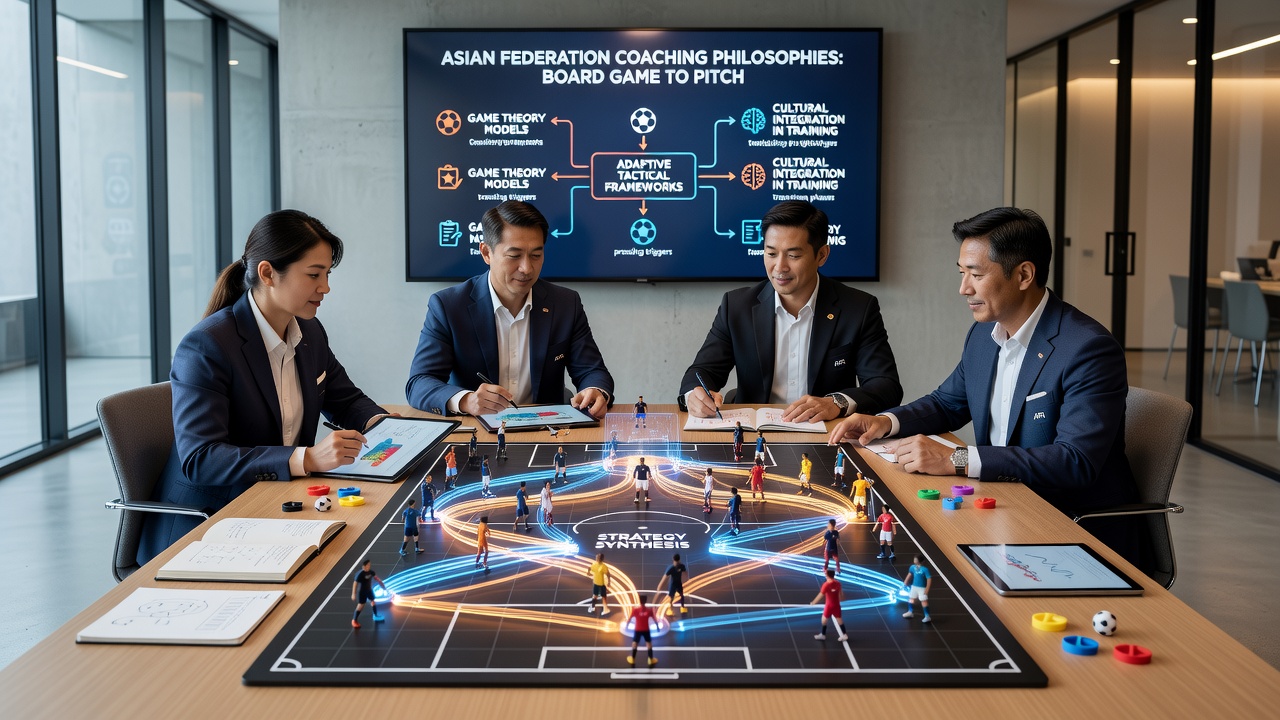
Board game simulations of soccer have long served as testing grounds for tactical ideas that later appeared in professional training sessions across Asian federations, where coaches adapted tabletop formations to refine pressing triggers and positional rotations. Researchers at the Japan Football Association documented how simplified board layouts helped map out midfield overloads during the 1990s expansion of the J-League, and those same patterns reappeared in academy drills that emphasized quick ball circulation over direct play.
Early Board Game Models and Their Spread
Tabletop systems developed in the mid-twentieth century allowed players to move pieces representing attackers and defenders across scaled pitches, forcing users to calculate angles and timing without the physical demands of a real match. Observers note that federations in East Asia acquired these games through educational exchanges, after which local coaches began translating the mechanical constraints into session plans for youth teams. Data from the Asian Football Confederation shows a steady increase in coaching certification courses that incorporated board-based exercises between 2005 and 2015, particularly in modules covering transition phases.
Coaches in South Korea integrated similar exercises when preparing for the 2002 World Cup co-hosting period, using the games to rehearse defensive lines that shifted according to opponent build-up speed. The approach mirrored patterns already tested on boards, where a single misplaced piece revealed gaps that full-sized training could not expose as quickly.
Application in Japanese and Korean Academies
Japanese academy directors adopted board simulations to teach high defensive lines that compress space in central areas, a method that later featured in senior national team sessions led by coaches who had themselves grown up with the games. Studies from the University of Tsukuba indicate that players exposed to these exercises showed measurable improvement in recognizing offside traps during video analysis reviews. Korean counterparts followed a parallel route, embedding board sessions into winter training camps where weather limited outdoor work, allowing staff to iterate through multiple formations in a single afternoon.
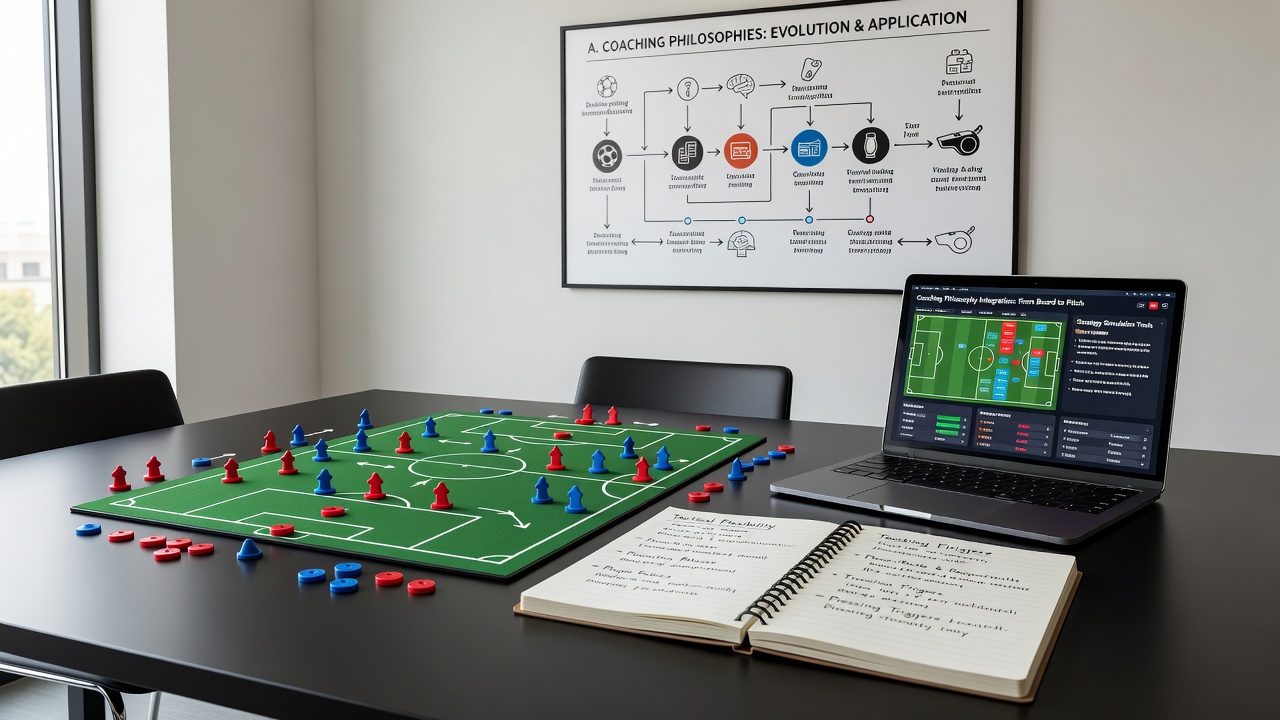
Those who've examined archived training logs from clubs such as Urawa Red Diamonds and Jeonbuk Hyundai find repeated references to board layouts used to script set-piece movements, with annotations that match diagrams later published in official federation handbooks. The transfer occurred because the games removed variables like fatigue and weather, letting coaches isolate decision trees that carried over to match preparation.
Regional Variations Across Southeast Asia
Federations in Southeast Asia introduced board games through development programs supported by international partners, adapting the same core mechanics to address local challenges such as narrow pitches and humid conditions. Australian Institute of Sport reports on regional workshops held in 2018 highlight how Malaysian and Thai coaches used the tools to rehearse compact midfield blocks that transitioned into wide attacks. These sessions produced playbooks that circulated among under-23 squads ahead of AFC tournaments.
By September 2026, the AFC Technical Department plans to release an updated digital archive that includes digitized board layouts from past seminars, allowing member associations to cross-reference historical tactics with current data sets collected during league matches. The archive draws on contributions from multiple national federations, creating a shared reference that links early tabletop experiments to contemporary possession metrics.
Contemporary Integration with Data and Video
Modern coaching staffs combine board game principles with video tagging software, recreating successful sequences on physical boards before programming them into GPS-tracked drills. Research published by the National Institute of Fitness and Sports in Kanoya demonstrates that teams which retained this hybrid method recorded higher pass completion rates in the final third during domestic campaigns. The process works because the board forces coaches to account for every player's starting position, a discipline that carries into live match analysis when adjustments must occur within seconds.
Coaches across Chinese Super League clubs have begun embedding these exercises into pre-season camps, using scaled boards to test pressing schemes against opponent-specific shape models supplied by scouting departments. Figures released by the Chinese Football Association show participation in such workshops rising each year since 2020, with staff from multiple provinces attending centralized sessions that emphasize collective decision-making over individual flair.
Conclusion
Connections between soccer board game strategies and professional coaching philosophies in Asian federations rest on documented exchanges of tactical diagrams, training logs, and certification materials that span decades. These links continue to evolve as federations digitize historical resources and pair them with performance data gathered during league and international competitions. The pattern remains consistent: simplified models tested away from the pitch supply frameworks that coaches later scale to full training environments and match scenarios.